


Based on the 1941 novel Die Schwarzen Brüder (“The Black Brothers,” Amazon link) by Lisa Tetzner and Kurt Held, the story follows a kind-hearted boy growing up in 19th-century Switzerland. When his family falls into poverty, he is forced to sell himself to a man known as Luini, the “God of Death.” Instead of despair, his optimism and courage give the series a uniquely inspirational tone. Experiencing the story visually in full made it far more impactful than reading alone.
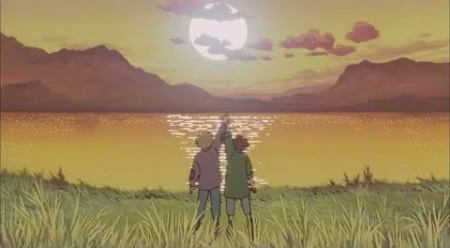
The Blu-ray release excels technically. The translation is clear and faithful, and the DTS sound remastering—though primarily 2.1—really shines on a properly configured sound setup. The visuals are another highlight. Character designs and backgrounds evoke early Studio Ghibli, and lively performances draw viewers into the story, making it easy to care deeply about the leads.


Romeo (voiced by Ai Orikasa) shines in the early episodes. Despite living in poverty, he keeps his chin up rather than lamenting. These moments highlight the sacrifices he makes for an uncertain future—and the strength he gains through adversity. His move to Milan is voluntary but perilous. There, he meets Alfredo (Toshiko Fujita), another boy sold into servitude. Together, they form a secret brotherhood called “The Black Brothers,” a group of child chimney sweeps who protect each other from abuse, bullying, and injustice. Their friendship and courage form the emotional core of the series, with each episode exploring the hardships of child labor, societal corruption, and personal loss.
Conflict comes in many forms. The boys’ rivalry with The Wolf Pack tests their resilience, while Alfredo must protect his younger sister, Bianca (Akemi Okamura), when she enters the story. She strengthens and complements the two, proving she is no third-wheel.
Subplots such as Nikita (Aya Ishizu) questioning his gang’s cruelty and the “Plague in Milan” arc, where the boys care for the sick, reinforce themes of courage, morality, and selflessness. Adults who once mistreated them come to recognize their heroism, delivering a poignant message about growth and empathy.

This Blu-ray preserves the original audio, keeping all the emotion intact. Extras are minimal, but clean openings, endings, and original TV promos are included—which is fine, as the story itself remains the star. The novel handles the deeper literary elements, and the adaptation lets the animation and performances shine.
While Romeo’s Blue Skies does not shy away from the harsh realities of child labor and poverty, the direction handles these themes with care. The series strikes a balance, neither relentlessly bleak nor overly sentimental, highlighting the resilience of children and the power of friendship. It’s a reminder that heroism is not confined to a single moment—it can echo across a lifetime. Its timeless message resonates with both historical and contemporary struggles, proving that anyone can be a hero, even in the smallest or most dangerous circumstances.
Ultimately, this release is more than a technical upgrade. It’s a testament to the enduring power of storytelling and the lasting appeal of World Masterpiece Theatre adaptations. With its heartfelt performances and similarity with Nobody’s Boy Remi (read our article here), Romeo’s Blue Skies is a must-watch for collectors, anime fans, and anyone who values stories of courage, hope, and friendship. After decades of anticipation, it was well worth the wait.
Romeo’s Blue Skies AnimEigo Trailer
